
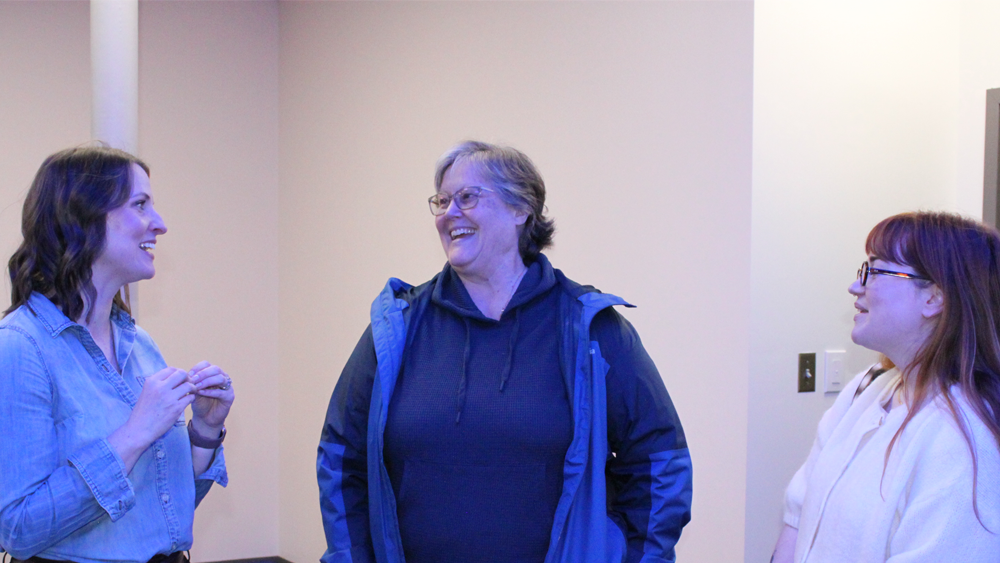
Some might call it fate. Cinda Walchli calls it “happy happenstance”.
In 1989, Cinda was equipped with a psychology degree, a love of the outdoors, and experience working with children facing difficult emotional and behavioral challenges, so she applied for a wilderness counselor role at Glenwood. Instead, she was offered something entirely different: helping launch a new residential program for children in need of intensive support.
“On December 6, 1989, I was the original staff working when the first three kids were admitted to Daniel House,” Cinda shares.
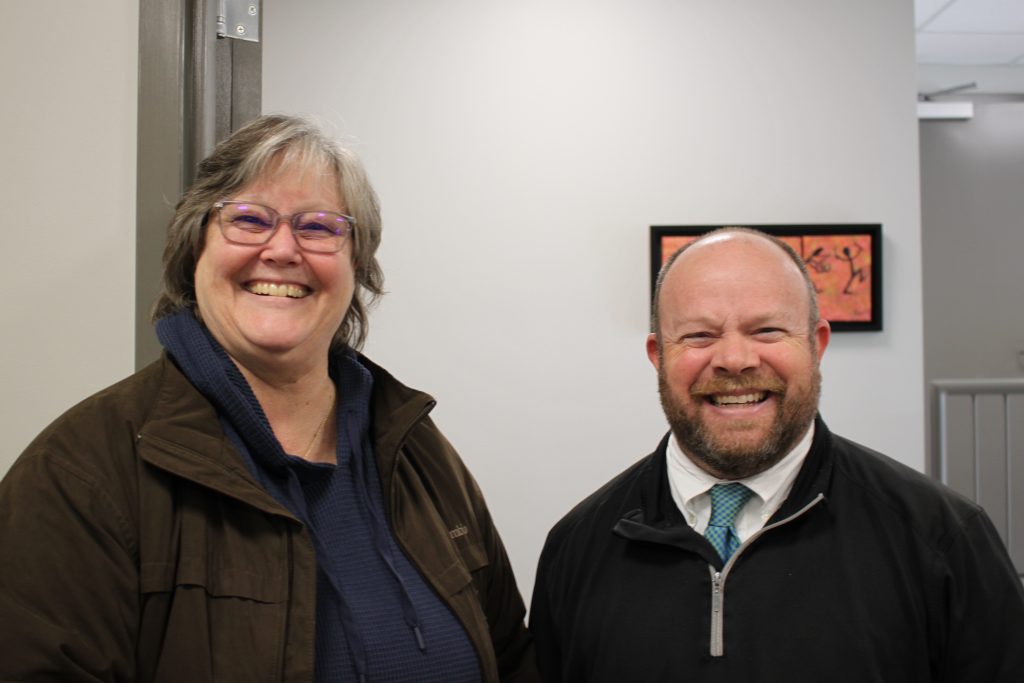
Nearly four decades later, she’s still here, now serving as Senior Vice President of Clinical Operations, overseeing Glenwood’s health services department and Behavioral Therapy Center.
What’s changed is the scope of her role. What hasn’t is her heart for the work.
Those early days at Daniel House shaped everything that followed. As Glenwood grew, Cinda grew with it, staying close to the work even as her responsibilities expanded. Whether she was working directly with children, supporting families in their homes, or guiding clinical teams across the organization, her focus has always been on people.
Cinda’s path to Glenwood wasn’t linear, but it was deeply intentional. Born in Arlington, Virginia, she spent many years in Florida before moving to Alabama for school. She earned a bachelor’s degree in psychology and later returned to school to complete her master’s degree and licensure in social work. She balanced full-time work at Glenwood with her continued education as both she and Glenwood evolved. Over the years, she advanced through nearly every level of the organization, moving from direct care into program leadership and eventually executive oversight.
“Every time I was starting to run out of ways to redefine myself, there was another opportunity right here,” Cinda says. “I’ve been able to grow without getting stagnant. Another door always seemed to open.”
When asked what has kept her at Glenwood for nearly four decades, Cinda doesn’t talk about promotions or accomplishments. Instead, she talks about moments. She calls them her “paydays.”
One payday came when a former resident returned to Glenwood years after leaving, unsure whether his story would register as a success to anyone else. His childhood had been marked by significant trauma, and his adult life hadn’t followed a conventional path. He was working at a carnival, receiving treatment for schizophrenia, and taking classes with his wife to regain custody of her children from foster care.
“He said, ‘I thought you might laugh at me,’” Cinda recalls. “And I said ‘You are still fighting the fight. You have a job. You have a happy relationship. You’re working on getting your kids back. That’s success to me.”
“Nobody would see it that way,” he replied.
“Nobody has seen it through your eyes,” said Cinda. “You’ve come a long way and I’m proud of you.”
Those “payday” moments have shaped how Cinda defines impact. For her, success isn’t measured by traditional milestones. It’s measured by a commitment to growth and striving to create a life that once felt impossible for many of the kids she has cared for over the decades.
At the core of Cinda’s work is a belief she has held since her earliest days at Glenwood, one she often shares when asked what she wishes people understood about those Glenwood serves: “They’re people, [and] their worth is there regardless of their challenges and their differences,” Cinda says.
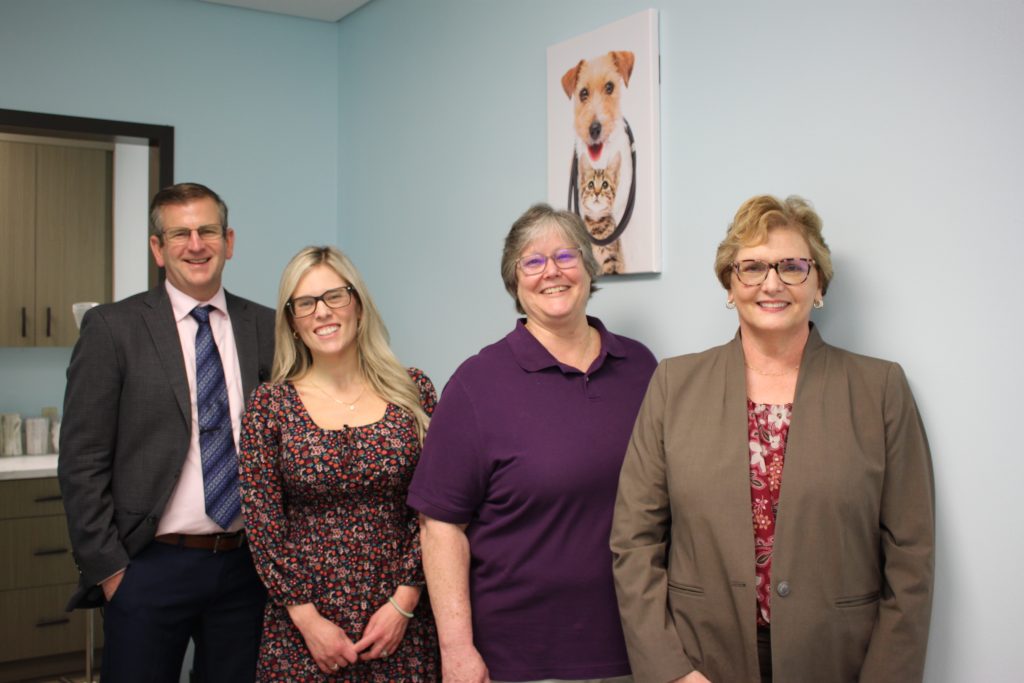
Despite her leadership role and decades of experience, Cinda is careful not to take credit for the outcomes she’s witnessed. She describes herself not as the hero of these stories, but as a guide.
“I’m just the navigator,” she says. “I’m just pointing directions out and giving ideas and ways to do things differently.”
After nearly forty years at Glenwood, Cinda remains deeply connected to the mission, not because of tenure or title, but because of impact. Being part of someone’s journey is a responsibility she has never taken lightly.