

The UAB School of Public Health is proud to present the Glenwood Endowed Lecture Series, an engaging and informative event taking place on Thursday, April 23, 2026, from 8:30 a.m. – 12:30 p.m. at the UAB Alumni House (1301 10th Ave S, Birmingham, AL 35294).
The 2026 Lecture Series will feature keynote speaker Dr. Joanne Gerenser presenting “Improving Outcomes Through Interprofessional Collaboration.”
✅ Free to attend
✅ Free continental breakfast and coffee provided
✅ BCBA CEUs & PDHs available
✅This Lecture is being offered for 0.3 ASHA CEUs
Keynote Speaker:
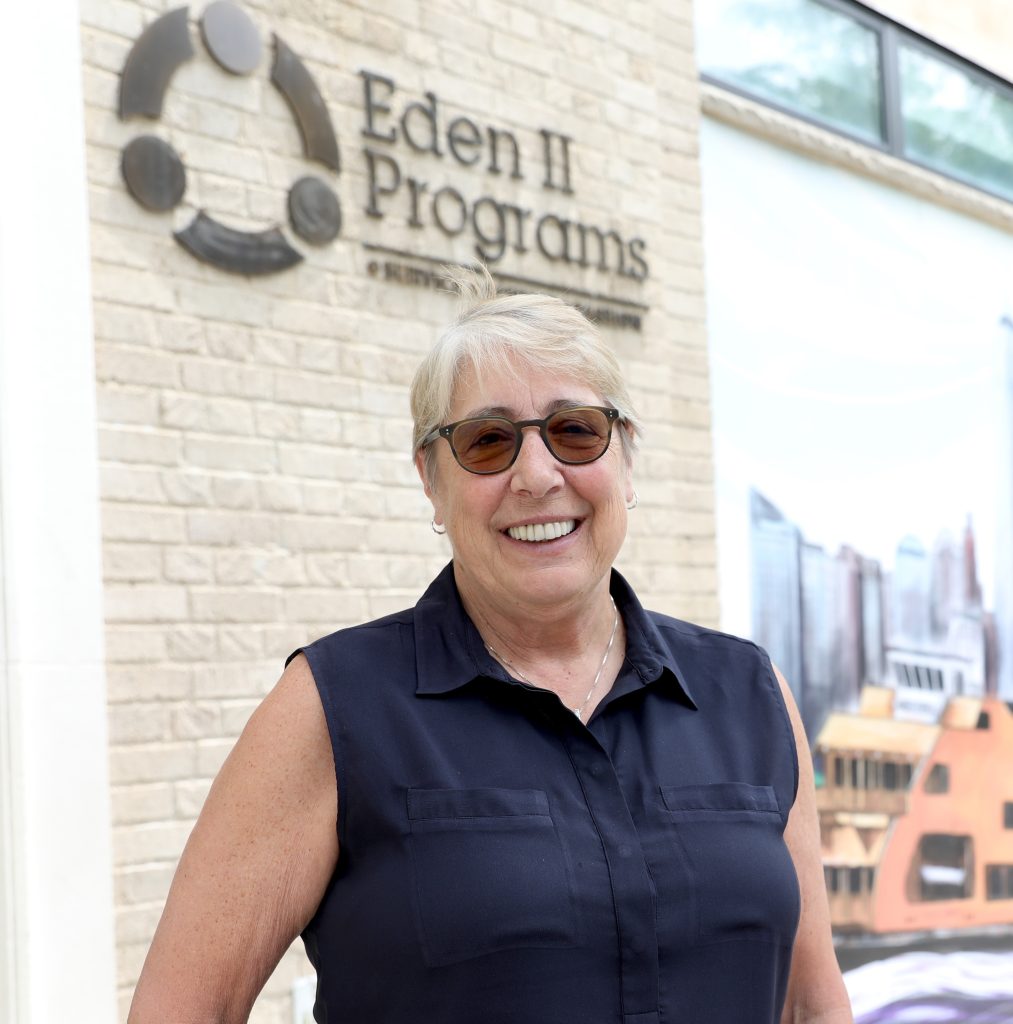
Joanne Gerenser, Ph.D.
Executive Director, Eden II Programs
Dr. Gerenser began working at Eden II in 1982 as a speech therapist. She received her Master’s degree in Speech and Hearing at the Ohio State University and her Ph.D. in Speech and Hearing Science at the City University of New York Graduate Center. She is an adjunct Assistant Professor at Brooklyn College as well as Penn State University. Dr. Gerenser is a member of the Scientific Advisory Council for the Organization for Autism Research. She is on the boards of Heaven’s Hands Community Services, the Interagency Council of New York, the New York State Association for Behavior Analysis, and the Staten Island Not for Profit Association.
Schedule of Events:
- Registration and Breakfast: 8:30 a.m. – 8:55 a.m.
- Welcome and Introduction: 8:55 – 9:00 a.m.
- Dr. Joanne Gerenser: 9:00 a.m. – 12:20 p.m. (10-minute breaks at the top of each hour)
- Closing of Event: 12:30 p.m.
About the Lectureship:
ImImproving Outcomes Through Interprofessional Collaboration
Interprofessional Collaboration (IPC) among practitioners has been shown to enhance outcomes for individuals with autism and related disabilities. In recent years, an increasing body of research has examined IPC between board-certified behavior analysts (BCBAs) and allied professionals (APs), including speech-language pathologists, teachers, and occupational therapists. Findings from this literature highlight both the benefits of IPC and the challenges APs often encounter when collaborating with BCBAs. The importance of IPC is emphasized in the Ethics Code for Behavior Analysts (Behavior Analyst Certification Board, 2020), and advantages of collaborative practice in behavioral service delivery have been documented (e.g., Slim & Reuter-Yuill, 2021; Diena, 2025). The first part of the presentation will explore key challenges that complicate IPC involving BCBAs, propose recommendations for overcoming these barriers, and review preliminary research supporting these recommendations.
The second part of the presentation will provide an overview of the science behind speech and language programs. Specifically, the presentation will focus on the psycholinguistic research of prosody, lexical development and processing as well as articulation and phonology. These are areas often implicated in people with autism spectrum disorder (ASD) yet are not part of the education of BCBAs. The primary focus will be on integrating this information into behavioral programming to improve outcomes in people with ASD.
Learning outcomes:
- Participants will describe the importance of interprofessional collaboration (IPC) in improving outcomes for individuals with autism spectrum disorder (ASD) and related disabilities.
- Participants will identify common challenges faced by allied professionals when collaborating with board-certified behavior analysts (BCBAs).
- Participants will define the ethical and professional responsibilities of BCBAs related to IPC.
- Participants will apply evidence-informed recommendations to improve collaboration between BCBAs and allied professionals.
- Participants will describe ways in which information from psycholinguistic research can be integrated into behavioral programming.
Time order agenda:
- 10 minutes: Introduction and definition of Interprofessional Collaboration
- 10 minutes: Overview of the benefits of Interprofessional Collaboration
- 10 minutes: Review of the barriers identified that challenge Interprofessional Collaboration
- 10 minutes: Review of the literature on AP perceptions of BA and Interprofessional Collaboration
- 10 minutes: Overview of recommendations to reduce barriers to Interprofessional Collaboration
- 10 minutes: Definition of IPEC and overview of the core competencies
- 15 minutes: Review of the literature on data-based conflict resolution protocols for BA
- 10 minutes: Overview of strategies to enhance effective communication across disciplines
- 15 minutes: Review of literature on compassionate care and its impact on interprofessional collaboration
- 10 minutes: Summary of interprofessional collaboration and Q&A
- 10 minutes: Introduction to psycholinguistic research
- 10 minutes: Overview of the mental lexicon and how it related so children with ASD
- 15 minutes: Strategies for integrating the psycholinguistic research on the mental lexicon and word learning into behavioral programming.
- 10 minutes: Overview of the psycholinguistic literature on speech perception and production
- 15 minutes: Strategies for integrating the psycholinguistic research in speech perception an production into behavioral programming
- 10 minutes: Summary and Q & A
Disclosure statement: Dr. Gerenser is receiving an honorarium along with travel expenses; there is no other relevant information to disclose.
Register Now!
Make plans to be part of this special event! Limited space is available. Register for free to reserve your spot…
2026 Endowed Lecture
Special Accommodations
If special accommodations are needed, please call (205) 795-3211.
This Lectureship will not be streamed live.
Intent to Earn ASHA CEUs
By requesting ASHA CEUs, you grant permission for your information to be submitted to the ASHA CE Registry.
Satisfactory Completion Requirement: Learner Assessment
Learners seeking ASHA CEUs must complete an on-line evaluation form that focuses on understanding of the course content,
the presenter’s delivery, and overall learning experience. Completed evaluation forms must be submitted at the end of the
lecture to Dr. Mary-Kate Carey, Glenwood ABA Training and Research Advisor, to be eligible to receive ASHA CEUs.
ASHA CE Provider approval and use of the Brand Block does not imply endorsement of course content, specific products or clinical procedures.